How Do Routine and Deep Cleanings Differ? A Lexington, MA Dentist Explains
Routine dental cleanings help keep your teeth and gums healthy by removing plaque and preventing problems. Deep cleanings go further by cleaning below the gum line to treat gum disease, especially if you have signs like swollen gums, bad breath, or gum recession. Knowing the difference helps you make informed decisions and seek the right care from your Lexington, MA dentist.
Periodontal disease is prevalent in the U.S. In fact, CDC data show that over 42% of U.S. adults aged 30 years or older have some form of the disease. Both regular and deep dental cleanings are essential for maintaining a healthy smile and preventing serious dental issues down the line.
In this article, we will clarify the key differences between routine cleanings and deep cleanings, and how a qualified local dentist can help meet your dental health needs.
Understanding Routine Cleanings
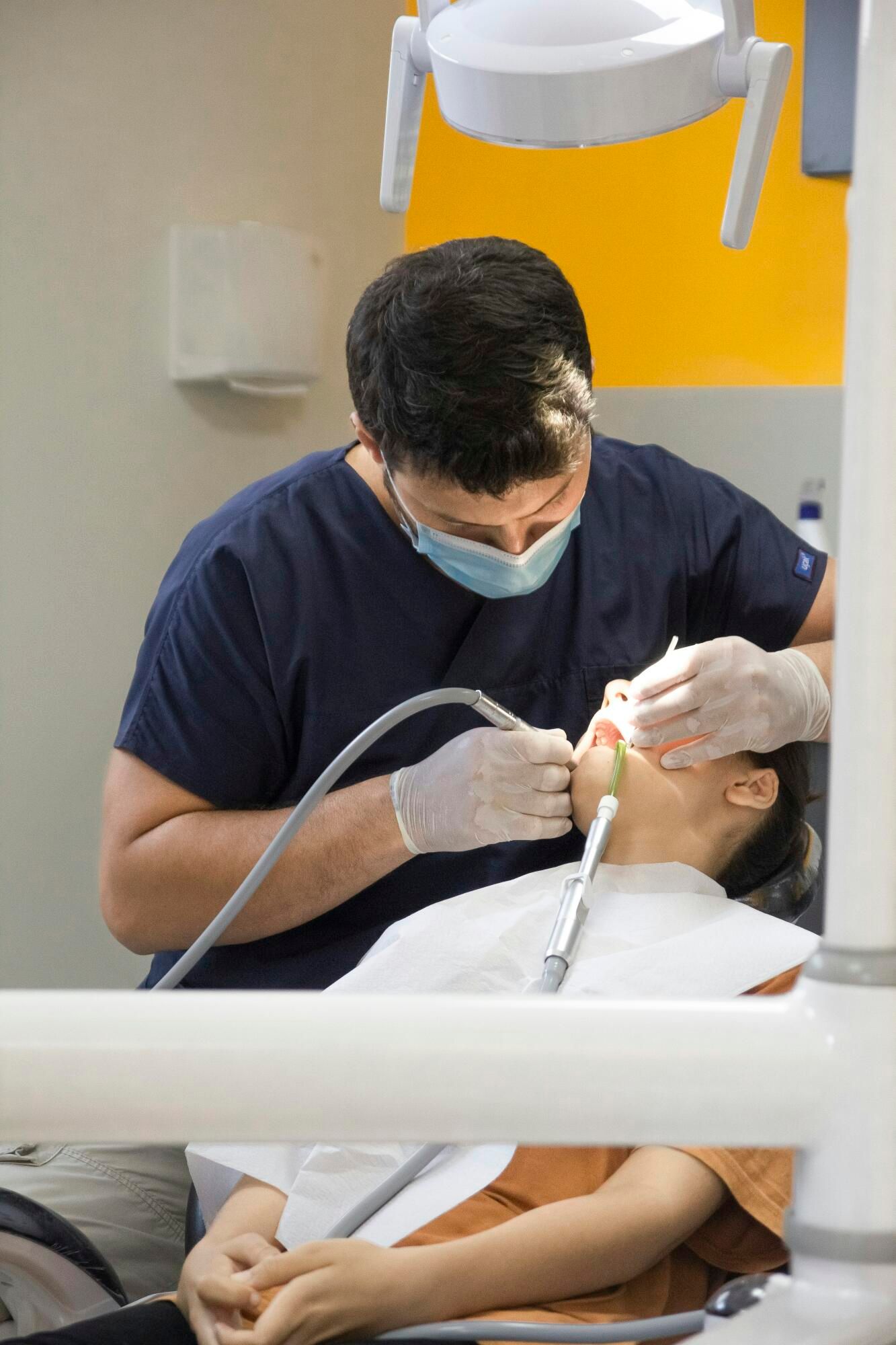
Routine cleaning, also known as prophylactic cleaning, is the standard dental procedure most people experience during their biannual visits to their Lexington, MA dentist.
This cleaning is designed to remove plaque and tartar buildup on the teeth and is generally performed by a dental hygienist. In addition to maintaining oral health, routine cleanings help detect dental issues early.
During a routine cleaning appointment, the following steps are typically taken:
- Examination: A thorough examination of the teeth and gums to identify any areas of concern.
- Scaling: Removal of plaque and tartar using specialized instruments.
- Polishing: The teeth are polished to remove any remaining surface stains.
- Fluoride Treatment: A fluoride treatment may be applied for additional tooth protection.
What Is Deep Cleaning?
In contrast, a deep cleaning helps treat gum disease. It is a more intensive procedure that involves cleaning beneath the gum line.
The process for a deep cleaning may involve:
- Lancing: Accessing the pockets around the teeth for more thorough cleaning.
- Scaling: Detailed removal of plaque and tartar from both the tooth surface and root beneath the gum line.
- Root Planing: Smoothing the surfaces of the roots to eliminate bacteria and promote healing.
Why You May Need a Deep Cleaning
If you are experiencing these symptoms, a deep cleaning may be necessary to restore your mouth's health.
- Swollen gums
- Persistent bad breath
- Tooth sensitivity
- Significant plaque and tartar buildup
Ignoring severe gum disease can lead to more severe health issues, including tooth loss.
What Dental Cleaning Process Is Right for You?
Whether you need a routine cleaning or a deep cleaning depends on your specific dental health. Regular check-ups with the best dentist in Lexington, MA, will help determine your needs.
If you have questions or concerns about preventive dentistry services, be proactive and discuss them with your dentist.
Consult a Reliable Lexington, MA Dentist to Learn More About Professional Teeth Cleaning
Understanding the differences between routine and deep cleanings is crucial for maintaining your oral health. Preventive care is always better than treatment, so make sure to stay on top of your dental visits.
At Rose Wang Dentistry, we provide personalized care and oral health tips that cater to your unique dental needs. With years of experience, Dr. Wang and her dedicated team are here to help you maintain a bright and healthy smile.
Do not wait until it is too late—make your appointment with a trusted Lexington, MA dentist today and get proper dental care advice.