Can You Get Dental Implants with Gum Disease? Find Out!
Gum disease is common among adults and can affect the health of your teeth, gums, and jawbone. If you have missing teeth and are considering dental implants with gum disease, you may wonder if treatment is still possible. The answer depends on the severity of your condition and the health of your supporting tissues.
In many cases, gum disease can be treated before implant placement. At Rose Wang Dentistry, we carefully evaluate your oral health before recommending treatment.
Understanding how gum disease affects implants can help you know what to expect and why treating your gums first may be an important part of your treatment plan. Let's take a close look.
Can You Get Dental Implants with Gum Disease?
Active gum disease can make dental implant treatment more difficult. Periodontal disease causes inflammation and can damage the gums and bone supporting your teeth. Implants need healthy tissues and sufficient bone to remain stable.
For this reason, your dentist will usually recommend treating active gum disease before placing an implant. Once your gums are healthier, your dentist can reassess your candidacy for treatment.
Why Gum Health Matters Before Implants
Healthy gums help provide a stable environment around an implant. Untreated gum disease can increase the risk of infection and inflammation around the implant. Bone loss can also leave the jaw without enough support.
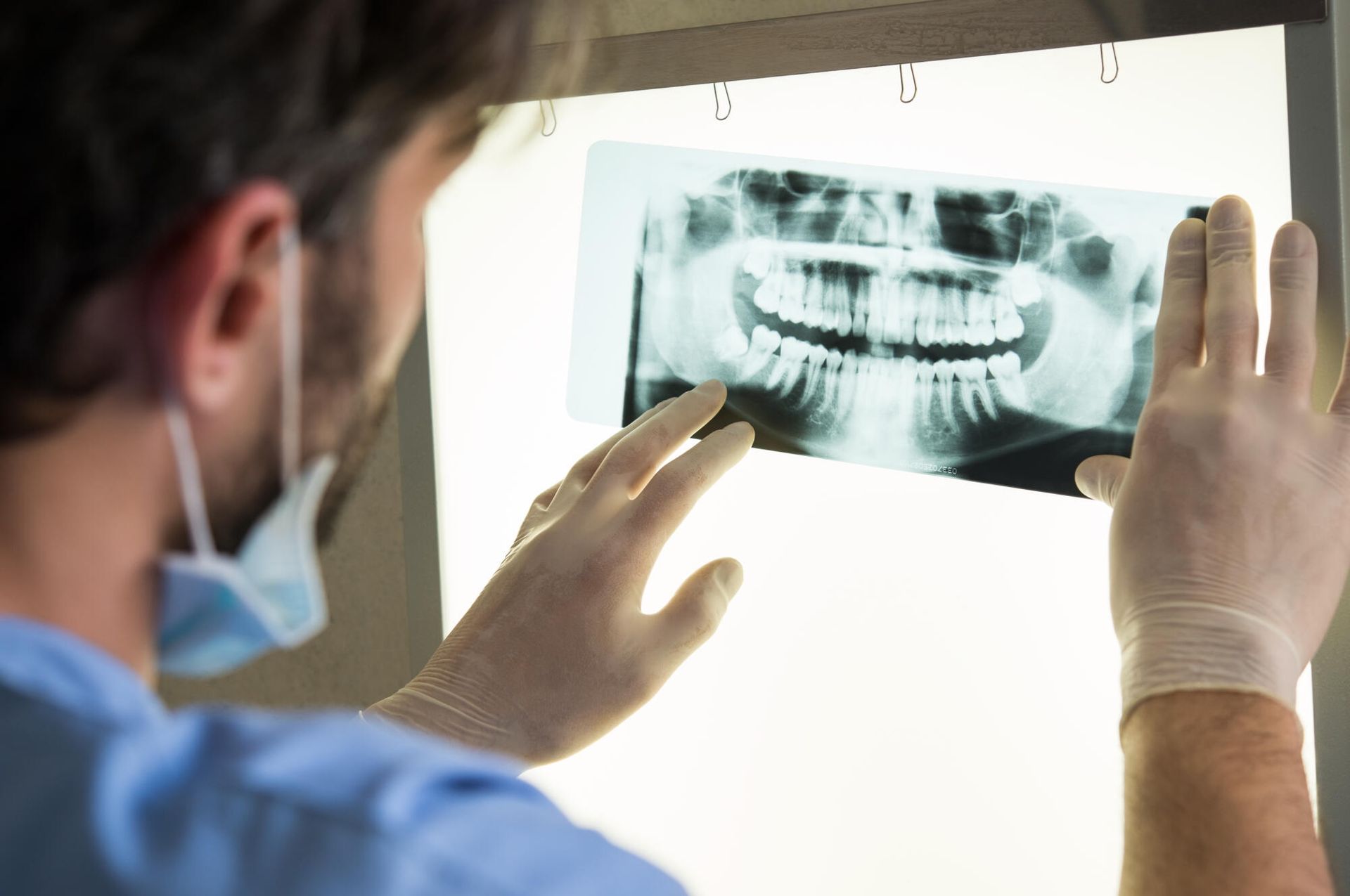
An examination and dental X-rays can help your dentist evaluate your gums and bone. Addressing these concerns first can provide a healthier foundation for implant treatment.
Treating Gum Disease Before Implant Placement
Treatment depends on the severity of your gum disease. Professional cleanings, deep cleanings, improved oral hygiene, or periodontal treatment may be recommended. More advanced cases may require additional treatment.
If gum disease has caused significant bone loss, bone grafting may sometimes be needed before implant placement. Your dentist will develop a plan based on your individual oral health needs. Treating gum disease first can be one of the most important gum disease solutions for patients considering implants.
Caring for Your Implant After Treatment
Good oral hygiene remains important after your implant is placed. Brush twice daily, clean between your teeth, and attend regular dental appointments. These habits help protect your gums and the tissues supporting your implant.
Regular dental visits also allow your dentist to identify potential problems early. Proper dental implant care can help support the long-term health and function of your restoration.
Restore Your Smile with a Healthy Foundation
Having gum disease does not automatically rule out dental implants with gum disease. However, active gum disease usually needs to be controlled before implant placement. Treating inflammation and addressing bone loss can help create healthier conditions for your restoration.
At Rose Wang Dentistry, we take time to evaluate each patient's oral health and develop a personalized treatment plan. If you have missing teeth and gum disease,
schedule a consultation with our expert team here in Lexington, MA. We can assess your gums, discuss your options, and help you determine the appropriate next step toward lasting oral health restoration.